Hinterhofromantik

Als wir einzogen stand in der feuchten Hitze des Jerseyer Sommer ein kaputtes Auto vor dem Küchenfenster, mit eingeschlagenen Scheiben und zerschnittenen Sitzpolstern. Auf der Klimaanlage, die wir wegen der geistigen Gesundheit rasch ins Fenster schraubten, lagen binnen kurzem Zigarettenstummel. Als das Auto weggebracht wurde (es ging nur schlafen, dem Auto geht es gut, keine Sorge), lagen natürlich drunter auch Zigarettenkippen, in einem Bett aus Scherben. Wir zogen die Rollos runter und guckten nicht mehr hin, bis die Hörnchen kamen.
Dann grummelte ich ein paar Tage lang, schulterte schliesslich den Besen, fegte Glasschrott, Kippen und Plastikmüll der letzten Jahre zusammen mit dem ausgewaschenen Lehm aus dem Nachbarsgarten in erst einen 15-Liter-Eimer, und dann noch einen. Man sieht jetzt wieder den splitternden Beton und die bröckelnden Ziegel, und die Tiere zerschneiden sich nicht mehr die Pfoten. Zwei Tage später hatte ein Nachbar zwei Mülltüten aus dem Fenster geworfen, ein paar Tage danach regnete es noch eine Mülltüte und eine leere Vodkaflasche. Man muss Jersey nicht lieben, aber.
Oder halt nicht aber.


 There is a hole in the world like a great black pit, and the vermin of the world inhabit it. Not entirely taken with the beginning of the venture – the opening credits looked less than good, and Todd’s song to his knives seemed drawn out and overacted to the verge of embarrassment – but from judge’s failed shave on in I enjoyed every last drop of it. And of dripping there is aplenty, of course.
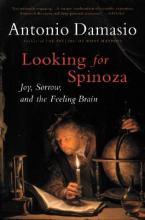 I found this a somewhat strange book. The central neuroscientific idea put forth is a fascinating one. When we separate feeling from emotion by declaring the former to be the inner state and the latter to be the outward expression of that state, we find complex interactions between the two, and a convincing argument can be made, that feeling in essence is a mapping of internal body states, and that the sinking feeling int he gut, the racing heart, the tenseness in the chest, aren’t side effects of feelings, they are in a sense what feelings are. They are their substance.
  A fascinating glimpse into a way of life both far removed from mainstream culture and morals, and very close to them at the same time. A well written drama, an audacious subject, and an even handed and balanced presentation of the subject make this a delightful foray into the foundations of human social mores, by example rather than by lecture. A tremendous cast, a gripping cliffhanger. Season two, here I come.
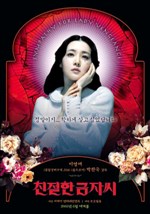 Would you? Or wouldn’t you? And are the artificial plot settings the question arises in only superficially important or does it change the quality of your answer that you may never be in a situation that’s remotely close to the one depicted in this movie? In other words, is the moral conundrum this movie seems to present only applicable within its own stylized universe? If even within that universe, the kathartic act falls short, and everybody seems more upset after it than before, should these people have trusted their instincts? And am I falling into Park’s trap, asking all these questions instead of just enjoying a wildly original ride?