Informationsbehandlungsbedarf

Vor ein paar Jahren, bei einer Lesung in einer Tübinger Buchhandlung, geschah etwas in meinem Kopf. Es mag ein Drogenflashback gewesen sein, denn damals probierte ich so verschiedenes aus, vielleicht war es eine Kombination von Müdigkeit und Hunger, vielleicht eine exotische Migräneaura: sekundenlang zerfiel meine visuelle Welt in Einzelteile. Statt der Pulikumsköpfe vor einer Bücherwand sah ich nichts als farbige Flecken, ein strukturloses Chaos, unter dem ich zwar noch die physikalische Wirklichkeit erahnte, aber ich bezweifle stark, dass das lange angehalten hätte. Ohne das komplex regelhafte Sortierwerk in unseren Köpfen gibt wenig von dem, was uns als vermeintliche Information erreicht, Sinn.
Vor ein paar Wochen kauften wir Fische, einen Tetra und drei Tigerbarben, und setzten sie ins Aquarium, das seit zwei Wochen auf neue Bewohner wartete, nachdem die Goldfische unerklärlich gestorben waren. Den Fischen gefiels, wir kümmerten uns um anderes, zeigten besuchenden Freunden stolz die Geschöpfe, nur um buchstäblich Sekunden nach dem Abschied der Beobachter auch selbst mal hinzugucken. Alle vier Fische waren grau angelaufen, die Schleimschicht über den Augen verdickt und trüb. Wir rätselten über die Ursache, entschieden schliesslich auf Stress, und akzeptierten achselzuckend, dass ohnehin nichts getan werden konnte. Gingen ins Kino, und fanden tote Fische vor. Am nächsten Tag und mittels eines Wassertestkits klärte sich das Unglück, der pH-Wert des Wassers war ins Essigsaure abgestürzt, wir hatten lebende Fische in saurer Lake eingelegt. Noch auf dem Weg ins Kino hatte ich Zweifel gehabt, ob ein Wasserwechsel eher schaden oder nützen würde und mich für Untätigkeit entschieden.
Heute nun fand ich meinen Freund Ken Loach verendet unterm Nachbarsschreibtisch. Er hat sich wohl in der Nacht über die Aquariumskante in den trockenen Tod gestürzt. Das Aquarium, ein kleines Acrylding mit Plastikdeckel, war zwar verschlossen, der Deckel aber sass nicht fest, weil der Plastikschlauch, aus dem sich der Sprudelstein speiste, sonst eingeklemmt worden wäre. Der Fisch muss den schweren, aber nur lose sitzenden Deckel bei einem Sprung angehoben und sich durch die Ritze gezwängt haben. Mehrfach schon hatte ich ihn springen sehen, Teil entweder seines Verhaltens, oder Anzeichen dafür, dass ihm das Becken zu klein wurde, und mehrfach hatte ich mich besorgt gefragt, ob der Deckel auch fest genug schliesse.
Erkenne ich ein Muster? Das überlege ich mir morgen.

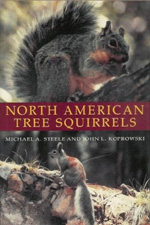 While this book has plenty of interesting information on mainly fox and gray squirrels, it could have been written more with the lay reader in mind. That’s not to say that it is too hard or complex, for it is surprising how little complexities seem worth relating, but rather that it reads in places like a badly written scientific paper. If all of this book had the wit and pace of the chapter on squirrel reproduction, it would have been a delight to read. As it stands, it’s interesting, but rather dull. Except for that chapter. Hilarious.
 The different stances of people from varying strata and cultural backgrounds take toward animal life in general, and those animals that have become closely associated in one way or another to human life, is fascinating on one hand, and fairly predictable on the other. City dwellers, who suffer property damage and the risk of diseases from rats, abhor and vilify them, while at the same time adoring squirrels, who in many respects resemble their shady cousings. While in the countryside squirrels are hunted for food, and face extinction in many places because of habitat loss, the city dwelling species enjoy much attention and feeding by their primate hosts. And needless to say, each faction considers their way the natural state of affairs.
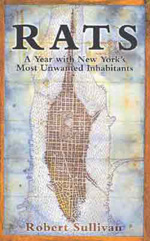 This is a disappointing book. That’s not to say it’s not entertaining in parts, and that the rat related historic stories Sullivan has dug up aren’t worth your time. But as this book is modeled on Walden, and attempts to be a natural history of the urban rat, these are marginal issues. The problem of the book is that its author despises its subject. Sullivan freely confesses not to like rats, and he goes out of his way to go out of their way. An odd premise for any study, and not at all a good starting point for observations. Consequently, Sullivans contribution to his subject is collecting stuff from libraries, and the observations in the alley, that his study supposedly started from and centers around, are all but nonexistent. Rats keep close to walls and eat garbage, he tells us, as though anybody needed to spend a night out with a notebook to know that. Ultimately, the book celebrates the cunning and resourcefulness of New Yorkers, with the rats providing a despised tapestry against which to compare human history – adding to the myths Sullivan himself has fallen prey to. Too bad.

