Wednesday, May 30th, 2007
Die Sonne, die mir gestern am Memorial Day spürbar die Arme verbrannte auf dem Radausflug zum historischen Friedhof von Oakland, steht auch heute wieder hoch, wenn auch zwischen Wolken nur intervallweise hervorstrahlend. Ihr Licht ist hart und unfreundlich, Farben verblassen. Die Gebäude und Menschen erstarrt zu Monolithen ehemals menschlicher Existenz, nichts und niemand scheint mit sich identisch in diesem Licht, alles nur eine flüchtige Scheingeographie, die bald zerfliesst und das darunterliegende Felsgestein offenbart. In Rockridge, neben dem Parkplatz eines Einkaufszentrums, gähnt in diesem Grundstein ein Loch, über dessen kühle Tiefe das eingeflossene Wasser und seine Algen hinwegtäuschen. Oder vielleicht liesse sich auch durchs kaum hüfthohe Wasser bis an die andere Seite waten, wo aus der blanken Steinwand eine einzelne Pflanze ragt und trotzig Blüten in den Strahlenregen reckt, der sie nährt, und der sie noch verbrennen wird. Vielleicht liesse sich so ein kleiner Strauss aus der Wand pflücken, läge nicht der ganze Teich eingezäunt und sicher hinter Stacheldraht. Weit dort oben, gleich hinter dem Klippenrand, dehnt sich der Friedhof. Liesse sich wohl Leichengift nachweisen im Gewässer? In den Blüten?
Heute auf Durant sitzen Sommermenschen verteilt wie Schaufensterpuppen in den Schatteninseln, die Universität hält den Atem an vor ihren Summer Sessions, und niemand hat ein Ziel. Im flutenden Licht liegt verbrannt ein Halbnackter, wie oft, davon rühren ja die Verbrennungen, willentliche Californication, garendes Menschenfleisch. Ich gehe schneller, um wieder aus der Sonne in den Schatten zu gelangen, und blicke zu Boden, weil ich nichts sehen will heute als was ich begreifen kann. Zwischen blassgrünen Halmen kriecht dort unten eine Biene, dreht sich, rollt kopfüber und liegt still. Auch ich verharre jetzt, und betrachte stumpfen Auges ihren Tod.
Berkeley, Deutsch, Miniaturen, Nature | No Comments »
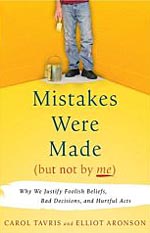 This book about cognitive dissonance is a good read, and an interesting account of both the theory of why our decisions and opinions can be so much at odds with reality sometimes and a number of examples from history and daily life, where the principle can be observed in action. Yet through much of it, it felt like being a bit lost in someones attempt to make sense of the subject, and as though going to Festinger’s original work might be more illuminating. This in spite of the fact that I don’t think he ever wrote something comprehensive like this on top of his individual studies.
 When the Apocalypse caused by Germany came back to engulf it in its fire and destruction, there must have been immeasurable suffering and trauma, yet, as Sebald points out, almost none of it made it into the story of life as set down by the writers. Sebalds exploration of the reasons for this omission, are both deeply touching for his compassion even with those who caused the very desasters that struck them, and illuminating for their original and provocative view on the narrative of Germany.
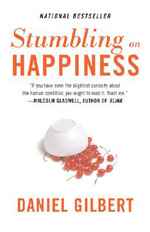 Why are we so notoriously bad at predicting what will make us happy, and why are we so often mistaken when we remember how we felt in the past? Gilbert’s hypothesis is that the nature of the neural system that allows us to imagine is to blame/ This system, which allows us both the filling in of the details of memories and the fleshing out of the nature of the future, draws on the same circuitry we use to feel the present, which is why both the past and the future are contaminated by how we feel right now. While the style of the book is maybe a tad forced in terms of wittyness, it is a delightful read, and the wealth of experiments Gilbert draws on to make his case was fascinating to read. At least that’s how I remember it.
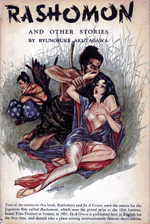 This collection of short pieces did not leave me quite as astounded and fascinated as did his longer story
 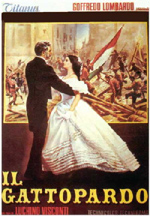 There might be a gripping historical tale in this movie, of the change Italy underwent when the univifcation movement succeeded, of the social turmoil, and of the mixed feelings of an educated upper class, about to lose it’s power and influence for a good cause, but I didn’t stick around to see whether there was. After the first forty minutes dragged on, with a nonexistent plot and a badly choreographed, endless public fighting scene, I stopped. Sorry, Visconti.